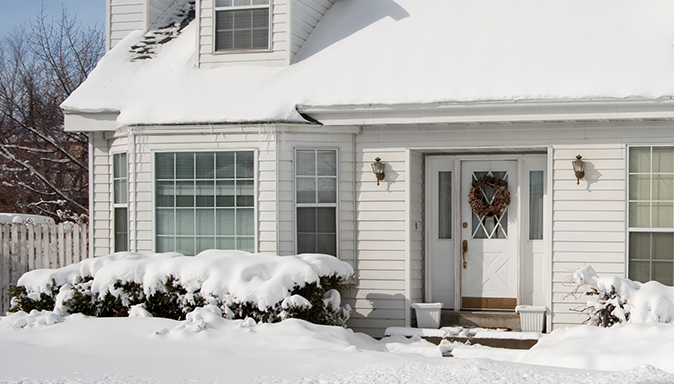
Getting snowed in sounds cozy in theory: Everyone’s home, the coffee pot is on repeat, the fireplace is roaring. But when schools close and work goes remote, homes shift into all-day energy mode. That means the heat stays on longer, lights stay on in every room, devices are being charged all day long, and appliances get a workout.
The good news is that a snow day doesn’t have to mean a spike in your energy costs. With a few smart adjustments, you can keep your home comfortable while keeping energy use in check.
Start With the Thermostat
When everyone’s home, it can be tempting to crank up the thermostat all day long. Instead, be strategic about how you heat your home. If you have a smart or programmable thermostat, set it to maintain a steady temperature; you may even want to lower the setting by one or two degrees to reduce energy use while still keeping you comfortable. If your home has rooms that are rarely used, keep doors closed and cover the vents so heat is directed to rooms where people actually are. At night, resist the urge to keep temperatures high just because it’s cold outside. An added bonus: Keeping the home cooler while you sleep doesn’t just save you money, it can improve your sleep quality.
And while it may be tempting to light a fire and curl up in front of it, remember most fireplaces are more for ambiance than comfort. Lighting a fire can actually raise energy bills because much of the heat escapes up the chimney while pulling warm air out of your home. Think of it for short-term use—and be sure the damper is closed when you’re not burning a fire.
Be Intentional With Laundry
Snow days can be a catch-up days for chores, and laundry is usually at the top of the list—especially if you have little ones coming in from playing in the snow with soggy, snow-soaked layers. But washing and drying clothes uses a significant amount of energy. Wash full loads whenever possible, use cold water with HE detergent, and try to plan laundry for off-peak hours, typically early morning or late evening. And be sure to clean the lint filter of the dryer before each load to improve airflow and shorten drying time.
Make the Oven Work Twice
Cooking and baking is part of the appeal of a snow day, but ovens are energy-hungry appliances. When you do use the oven, make it pull double duty by planning your oven use so you bake multiple items at once instead of preheating the oven repeatedly throughout the day. Avoid opening the oven door while cooking as much as possible. Each peek releases heat that forces the oven to work harder to maintain temperature. Once you’re done, leave the oven door open to let the residual heat warm the kitchen naturally.
Manage Plugged-In Devices
When everyone’s snowed in, chances are there will be lots of laptops, tablets, gaming systems, televisions, and chargers in use all at the same time. Use power strips in shared spaces so multiple devices can be turned off at once when not in use. And make energy savings translate into family time by curling up to watch a show or movie in front of one shared screen instead of multiple TVs in different rooms.
Use Vent Deflectors to Improve Airflow
Hot air naturally rises, so that means all that air you’re paying to heat is up near the ceiling instead of down where you are. Vent deflectors redirect warm air into the room, a simple adjustment that improves comfort without costing you a dime in heating costs. You should also check that vents are clear and unobstructed, especially in high-use rooms.
Take Advantage of Natural Heat
Even on snowy days, daylight can warm your home. Open curtains and blinds on south-facing windows during daylight hours to let in natural warmth. Once the sun sets, close them to reduce heat loss through the glass.
Be Smart About Showers and Hot Water
More people at home means more showers, more handwashing, and more hot water use. Stagger showers throughout the day to avoid overworking the water heater, keep showers short, and turn off the water while lathering or shaving. If your water heater thermostat is set higher than needed, lower it to 120 degrees F, which is the sweet spot for water that’s hot enough for comfortable use but still energy efficient. This is a one-time adjustment that pays off every day, not just during snowstorms.
End the Day with a Reset
Before heading to bed, get in the habit of doing a quick energy check. Turn off lights in unused rooms, shut down electronics, and close curtains and blinds to reduce heat loss overnight. This simple routine makes it easier to prevent small oversights from turning into higher bills.