Every July, the same thing happens: You turn your thermostat down a few degrees at a time to keep up with the heat, you run the AC nonstop… and your utility bill creeps up and up and up.
If high cooling bills are putting a chill on your Independence Day plans, we’ve got some good news: most homes lose cool air through small, fixable gaps rather than an expensive flaw in the cooling system itself.
A weekend of simple DIY fixes can make a real difference in comfort and cost. Check out this practical, room-by-room guide to seal up your home and keep your AC running strong, just in time for Fourth of July.
1. Start With Weatherstripping
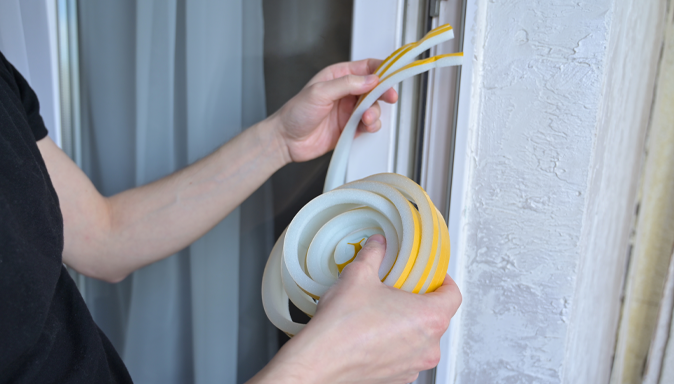
Weatherstripping is one of the cheapest, fastest fixes you can make, and it pays off all summer long. Over time, the foam, rubber, or vinyl seals around windows can crack, flatten, or peel away, and that can make your home heat up fast.
How to check weatherstripping around doors and windows:
• Look for visible cracking, gaps, or worn spots in existing weatherstripping.
• Check for air leaks with a few simple tests. Close a door or window on a dollar bill; if you can pull it out easily, the weatherstripping needs to be replaced. Or, simply run your hand along the edges of doors and windows on a hot day; if you can feel any airflow, there's a gap that needs to be fixed.
• Want more ways to test for air leaks? Read this blog post to learn how to do your own home energy audit.
How to fix it:
• Remove old weatherstripping completely and clean the surface with rubbing alcohol before applying new weatherseal.
• Choose the right type for the job: V-seal weatherstripping works well for window sashes, while poly foam tape is great for door frames and irregular gaps.
• Measure twice, then cut strips a little long so you can trim them for a tight fit rather than coming up short.
2. Don't Forget the Garage Door
If your garage is attached to your home, it's probably doing more to make your house feel hotter than you'd expect — especially if it shares a wall with a bedroom, mud room, laundry room, or home office.
How to check the seals on your garage door:
• Inspect the bottom seal first. This strip is in constant contact with the ground, so it wears out fast. If it’s cracked or flattened or you see any noticeable gaps, it’s time for a new garage door bottom seal.
• Next, check the side and top seals for gaps and replace it if it’s cracked.
• This video explains how to choose and install both products:
3. Boost Your AC's Efficiency
Even a perfectly sealed home will struggle if the air conditioning unit itself isn't running well.
Indoor maintenance:
• A clogged filter forces your system to work harder for the same result. If you have window units, replace or clean your air filter monthly during peak summer months; If you have a central AC unit, check the filter regularly and replace it whenever it gets dirty.
• Check that vents and registers aren't blocked by furniture, rugs, or curtains.
• Add a heat and air deflector to direct air conditioned air up and into your rooms. This video explains how to use it:
• Make sure ceiling fans are set to spin counterclockwise so they push cooled air straight down into your rooms.
Outdoor maintenance:
• If you have a central AC, clear leaves, grass clippings, and debris from around the outdoor condenser unit; aim for at least two feet of clearance on all sides for proper airflow.
• Constant use gets both indoor and outdoor units dirty, fast — and that affects efficiency. Gently spray the condenser coils with foam cleanser to remove built-up dirt and pollen. This video shows you how:
• If you notice the coil fins (the thin aluminum blades just behind the grille) are bent or crushed, straighten them carefully with a fin comb.
One last tip:
• If you don’t already have a programmable or smart thermostat, consider installing one to keep your home a few degrees higher when you're away and cool it down shortly before you return.
Putting It All Together
None of these projects requires special tools or advanced skills and most can be knocked out in an afternoon or two. Together, they’ll fix the most common ways your home is leaking cooled air and forcing your AC to work overtime: gaps around doors and windows, an unsealed garage, and a cooling system that can’t operate at full capacity.
These are small, steady fixes that add up fast. By the time July heat waves hit, your home will be working with your AC instead of against it — and that will give you freedom from high utility bills.