What Winter Did to Your House (And How to Fix It)
Nothing puts your home to the test like a long, cold winter — and this winter was certainly both.
Even if everything was in great shape in November, months of frigid temperatures, moisture, and freeze-thaw cycles may have caused damage around your home that you won’t notice until spring arrives. Now that the worst of winter is behind us, it’s the perfect time to take stock of what winter did to your home and get to work fixing any issues before they turn into expensive problems. Here’s how to tackle the most common cold-weather trouble spots while they’re still top of mind.
Drafts That Weren’t There Before
If some rooms suddenly start to feel chillier, drafts may be to blame. Cold air can sneak in through small cracks around doors and windows, especially when they expand and contract during temperature swings, which can cause weatherstripping to compress, crack, or sag and door sweeps to warp or come loose. This creates gaps that are small but let a steady stream of cold air into your house.
What to look for
• Cold air near door frames or window sashes
• Rattling windows on windy days
• Uneven room temperatures
• Higher heating costs
How to fix it
Stary by checking all your exterior doors. If the weatherstripping is flat, brittle, or loose, install fresh weatherstripping that fits snugly when the door closes. This video shows you how:
Take a look at the door sweep while you’re at it. If you can see daylight shining through the bottom of the door or the door sweep is no longer meeting the floor, it’s time for a new one.
Next, check the weatherstripping around windows for wear and replace if needed.Watch this video for step-by-step installation tips:
The early days of spring are a great time to do these projects because temperatures are mild, which helps adhesives bond properly.
And this is a project that isn’t just a cold weather fix; well-sealed windows and doors keep cool air in and hot air out during the summer months, so you’ll reap the benefits all year long.
Frozen or Cold Pipes
Take our word for it: frozen pipes are a problem you want to avoid at all costs. Pipes in unheated areas like basements, crawl spaces, and garages or along exterior walls often stay colder than the rest of your home. If you notice that water is flowing slower than usual out of faucets or you see condensation forming on exposed pipes, those are warning signs you need to take action to protect your pipes from the cold.
What to look for
• Little or no water from faucets during very cold weather
• Frost on exposed pipes
• Odors in the drains
• Clanging, banging, or whistling sounds when you turn on the tap
How to fix it
Tubular foam pipe insulation is an easy way to protect your pipes from temperature swings. And it’s easy to install: just measure the pipe, cut the insulation to length, and slip it around the pipe. Frost King also makes pre-formed tees and elbows that slide right over connection points, no tricky cutting required.
Ice Dams and Gutter Overflow
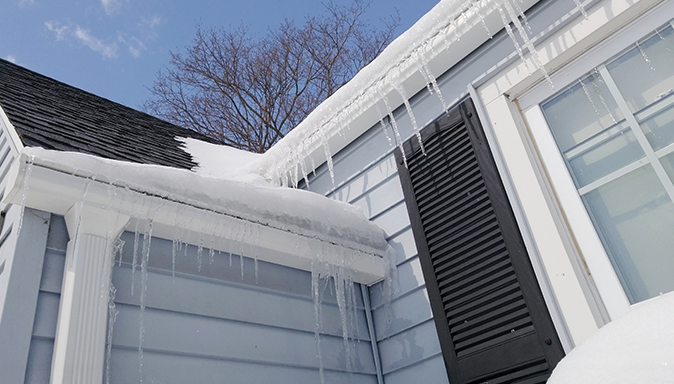
If you saw thick ridges of ice along your roofline this winter or had icicles hanging off your gutters, it’s time to take action. These conditions form when heat escapes from your attic, melts snow on the roof, and the water refreezes at the colder eaves. Over time, ice builds up and traps additional melting snow behind it, which can lead to water backing up under shingles, overflowing the gutters, or dripping behind fascia boards and into your home.
What to look for:
• Bent or sagging gutters
• Loose gutter fasteners
• Peeling paint near roof edges
• Water stains on soffits or exterior walls
How to fix it
Our roof and gutter de-icing kits stop ice buildup by keeping melted water flowing into gutters so icicles and ice dams don’t form.
Gutter guards play an important role, too. When gutters are clogged with leaves and debris, water can’t flow freely. In winter, water that’s trapped in gutters can freeze, leading to ice dams and overflowing water. Add gutter guards to keep debris out while still allowing water to drain freely.
Why Spring Repairs Matter
Once spring has sprung, it’s tempting to forget about winter home woes, but waiting until fall to make repairs gives damage time to turn into bigger (and more expensive) problems. Even better, these are all simple, affordable fixes that can be knocked out in a weekend, no special skills required.