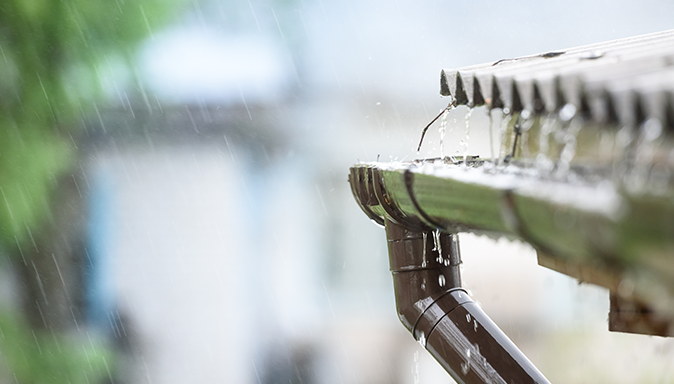
When it comes to rainy weather, spring gets all the attention, but late August is another time of year when the skies really open up. In many parts of the country, late summer thunderstorms can dump several inches of rain in a surprisingly short amount of time. And while those downpours are often a welcome relief from the heat, they can also put your home to the test—especially if your gutters aren't ready.
The role gutters play in protecting your home from storms is simple but crucial: they collect rainwater from the roof and direct it safely away from your house. When they're clogged or damaged, that water has nowhere to go and can overflow onto your roof, leak into your basement, and wash away landscaping. Fortunately, a little preventative maintenance before storm season can go a long way towards preventing damage before it starts.
Your Home's First Line of Defense
Every time it rains, gutters help protect your roof, home, and landscaping by carrying water away from your home. But when debris blocks that flow, water looks for the easiest path: it may spill over the sides of the gutters, back up beneath shingles, or pool around the foundation. Left unchecked, these seemingly minor problems can lead to wood rot, leaks, mold, soil erosion, and even expensive structural repairs.
Start with a Thorough Cleaning
Even if you cleaned your gutters in the spring, it’s worth taking another look before late summer storms arrive. Using a sturdy ladder and work gloves, remove any leaves, twigs, and other visible debris by hand or with a small scoop. Once the gutters are clear, flush them with a garden hose to make sure water is flowing toward the downspouts. As you watch the water move through the gutter, keep an eye out for areas where it pools or drains slowly. Standing water often indicates that a section of gutter is sagging or is no longer pitched correctly. Correcting these issues can prevent gutters from overflowing during the next heavy rain.
Look for Small Problems Before They Become Big Ones
While you’re cleaning, inspect the entire gutter system. Check for loose fasteners, gaps between joints, rust spots, small holes, and any areas where gutters have pulled away from your home. If you catch these issues early, they’re usually inexpensive to fix. Tightening brackets, replacing damaged hangers, or resealing leaking joints can improve the gutter system's performance and help prevent water from reaching the roofline or exterior walls. While you're working, keep an eye out for missing shingles, damaged flashing, or signs of rotting wood.
Don't Forget the Downspouts
If doesn’t matter how clean gutters are if the downspouts are blocked. When they're clogged, all the water that flows through the gutters has nowhere to go.
After flushing the gutters, make sure water flows freely through each downspout. If you notice they are draining slowly, use a garden hose or plumber's snake to clear the blockage then add a downspout wedge screen to keep it free of debris. It's also important to look at where the water ends up once it leaves the downspout; if it empties directly beside your foundation, consider adding a downspout extender to direct runoff away from your home.
Add Gutter Guards to Reduce Maintenance
Given how important they are for protecting your home, cleaning gutters is a constant task you need to keep up on. Installing gutter guards won't make your gutters maintenance free, but they will cut back dramatically on how often you need to clean them. That means less trips up the ladder and less time spent cleaning them out after storms.
Protect More Than Just Your Roof
Overflowing gutters don't only threaten your home—they can also take a toll on your landscaping. Water pouring over the sides of clogged gutters can wash away mulch, erode flower beds, damage shrubs, and create muddy areas around walkways and patios. Standing water also creates ideal breeding grounds for mosquitoes during the hottest months of the year. After a heavy rain, take a walk around your property and look for puddles, eroded soil, or damaged planting beds under the roofline. These are all signs that your gutter system isn't directing water where it should.
Make Gutter Maintenance Part of Your Seasonal Routine
Like changing HVAC filters or sealing drafty doors, inspecting your gutters throughout the year can help you spot problem areas while they're still easy and inexpensive to fix:
As summer fades into fall, spend a few hours cleaning, inspecting, and repairing your gutters. It's a simple project that helps every part of your home weather the next storm.