Freezing temperatures, heavy snow, ice, and rapidly changing weather can be tough on your roof—and that can lead to small problems that quickly turn into big, costly repairs.
The good news? A little preparation can go a long way toward reducing the risk that something will go wrong. To protect your roof from winter damage, inspect your roof, clean your gutters and downspouts, check attic insulation and ventilation, look for existing leaks, install roof cables to prevent ice dams, and trim overhanging tree branches.
1. Inspect Your Roof Before Temperatures Drop
The best time to identify roof problems is before winter weather hits. Freezing temperatures and icy conditions make roof repairs more difficult, so take advantage of milder fall weather to find and fix any trouble spots.
From the ground, use binoculars to inspect your roof for missing, cracked, curling, or damaged shingles. Look for sagging sections, damaged flashing around chimneys and vents, damaged or loose shingles around roof edges, and debris that may have collected in the areas where two sloping roof sections meet. If you notice significant damage or aren't comfortable assessing the roof yourself, it’s time to call a qualified roofing professional.
2. Clean Your Gutters and Downspouts
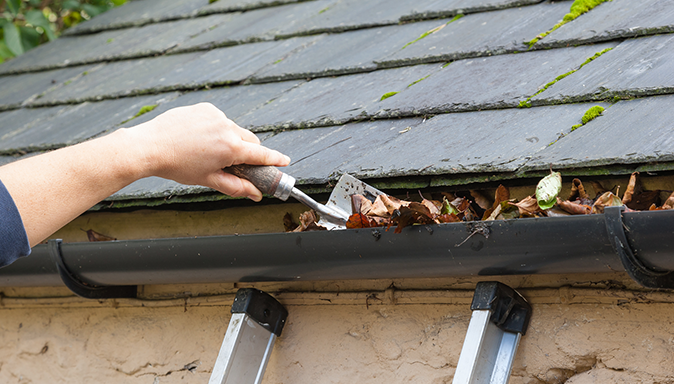
When leaves, twigs, and other debris clog your gutters, melting snow and rainwater can't drain properly and water can overflow, collect along roof edges, or freeze inside the gutters—all issues that can lead to expensive damage.
Before winter, use a gutter scoop to clean and flush the gutters and downspouts so water can flow freely, and check for loose hangers, sagging sections, leaks, and downspouts that are disconnected or blocked. If you don’t already have them, consider adding gutter guards and downspout screens to keep water moving all season long. Downspouts should direct water away from your home's foundation. Adding a Tilt & Drain Downspout Extender lets you direct water exactly where you want it to go.
3. Check Your Attic Insulation and Ventilation
What's happening inside your attic has a big impact on how well your roof holds up to winter weather. Ice dams form when heat escaping from the house warms the roof and melts snow. That meltwater flows toward the colder roof edges, where it refreezes. As ice builds up, water can back up beneath shingles and leak into your home.
Proper attic insulation and ventilation work together to stop ice dams before they start. Insulation keeps heated air from escaping into the attic and warming the roof, while ventilation ensures outdoor air is circulating through the attic so roof temperature stays consistent. Check your attic to make sure you have enough insulation throughout and make sure it isn’t blocking the soffit vents that let fresh air into the attic. If you suspect your insulation or ventilation isn’t adequate, arrange for an insulation professional to come in for an assessment.
4. Look for Signs of Existing Leaks
Even little leaks can cause big damage, so be vigilant about checking for them. Look for brown stains, peeling paint, bubbling drywall, or damp spots on ceilings and walls in upstairs rooms, and in the attic, look for water stains on rafters, damp insulation, and signs of mold or wood damage.
Pay particular attention to areas around chimneys, skylights, plumbing vents, and other roof penetrations. These locations depend on flashing and seals to keep water out, so if it’s damaged it can let moisture in. If you find evidence of a leak, get it repaired before bad weather makes it harder to fix.
5. Prevent Ice Dams with Roof Cables
Remember those ice dams we talked about earlier? A Roof and Gutter De-Icing Kit can help prevent them by heating up to create channels for melting snow and ice to drain off the roof—but if you wait until ice has built up to install roof cables, you’ve waited too long; you need to install them before winter weather hits. Not sure how to get started? Watch this video to learn how to install roof cables:
You can even add a self-regulating thermostat that automatically turns power on and off when temperatures reach 50°F.
6. Trim Overhanging Tree Branches
Heavy snow and ice can snap tree branches so they fall onto your roof, and strong winter winds can send branches, twigs, and other debris right onto shingles and into gutters. Spend some time this month checking the trees around your home for dead, damaged, or overhanging branches. Trim branches that are within striking distance of the roof to reduce the chance of a falling branch damaging your roof and hire a licensed tree-care professional to take care of large branches or limbs near power lines. You should also clear away leaves and small branches on the roof, especially in valleys where they can block water flow and lead to damage.